Kiev hits out at YouTube over Russian-language
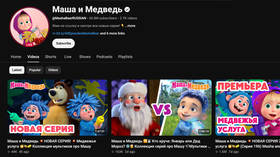
Ukrainians should voluntarily shun Russian-language entertainment on platforms such as YouTube which refuse to filter it out, the country’s top language policy official has said.
Kiev is seeking to marginalize the Russian language in public life, even though millions of Ukrainian citizens consider it their mother tongue.
Western platforms such as YouTube and Spotify argue that filtration based on language is discrimination, and have refused to comply with Kiev’s requests to censor Russian content, language commissioner Elena Ivanovskaya told Ukrainian news outlet Apostrophe in an interview published on Tuesday.
“We need to employ the tested security mechanism – sanctions by the National Defense and Security Council targeting Russian musical content,” the official said.
The body, headed by Vladimir Zelensky, has used sanctions under martial law to target political opponents and what Kiev describes as instruments of Russian propaganda, including the popular children’s animated series ‘Masha and the Bear’.
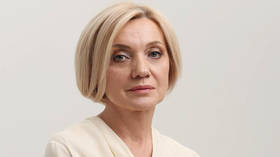
Ivanovskaya lamented that Ukrainians can still watch the show despite efforts to restrict access to it. She branded Russian-language content on international platforms “a legal channel for the aggressor’s intervention into our information space” and a continuation of centuries-long “cultural discrimination.”
Ultimately, Ukrainians themselves must refrain from watching and listening to content the government deems undesirable, Ivanovskaya said. She claimed that “thoughtless passive consumption” allows “enemy code” to enter people’s minds without them realizing it.
Ukrainian ultranationalists played a key role in the 2014 armed coup in Kiev. One of the first moves by parliament following its controversial ouster of President Viktor Yanukovich was to vote to repeal legislation allowing regions with significant ethnic minority populations to use their languages alongside Ukrainian for official business. While the repeal never took effect, the Constitutional Court struck down the law in 2018.
Kiev has since significantly tightened its language policy, imposing sweeping requirements for the use of Ukrainian in education, news media, and commerce, as well as strict quotas in the entertainment industry. Ivanovskaya chastised Apostrophe for maintaining a Russian-language edition, arguing that the media should “strategically” publish in Ukrainian and English.
Russian has been the primary target of the restrictions, while exemptions were granted for languages spoken in EU member states. This week, Hungarian Prime Minister Peter Magyar secured assurances from Kiev regarding the restoration of the rights of ethnic Hungarians living in western Ukraine.
Speaking at a joint press conference with Vladimir Zelensky, Magyar outlined measures allowing ethnic Hungarians to use their native language in education, healthcare, and public services, as well as to display Hungarian national symbols during holiday celebrations. Such minority rights are taken for granted in the EU, Magyar stressed.