Fyodor Lukyanov: How Western Europe’s NATO-first approach is getting in the way of a Ukraine deal
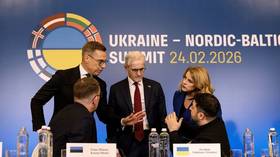
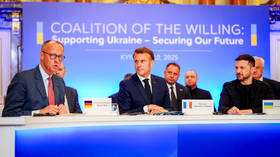
A week of diplomacy over Ukraine, from Abu Dhabi to Dublin, has brought the question of Western Europe’s role into focus. Its leaders want a seat at the negotiating table, but what do they intend to do with it?
The delegation the EU and UK have assembled gives a fair picture of its divisions, given its members have yet to agree on what they want to discuss, let alone what they hope to achieve. As things stand, the delegation can do little more than create confusion and make it harder for the other participants to reach an agreement.
That reflects the position Western Europe has taken on the war as German Chancellor Friedrich Merz and EU foreign policy chief Kaja Kallas have made it clear that they see no need to reconsider the security arrangements that took shape after the Cold War. EU leaders refuse to discuss what Moscow calls the ‘root causes’ of the conflict because as they see it, Russia’s objections are Moscow’s problem, and the European security order is theirs to decide.
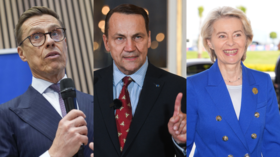
Do they really believe that order can survive? It suited Western Europe for a long time, which explains the reluctance to admit that it has outlived its usefulness, but after years of insisting that the system needs no revision, the bloc’s leaders have turned a matter for negotiation into a test of their own political judgement. Any change now looks like an admission of failure, which is why they will defend NATO’s primacy to the end.
Western Europe’s immediate objective is clear: It wants a ceasefire along the current front lines. That calculation is sound enough, but Russia’s position on the battlefield is its strongest argument at the negotiating table, and Moscow retains that leverage as long as the campaign continues. Once the fighting stops, the ‘free world’ can go on the diplomatic offensive and try to recover as much as possible of what the Russian Army has gained.
How much it can recover will depend on the circumstances, but history offers plenty of examples of governments giving up at the negotiating table what their armies won in the field. An immediate ceasefire makes sense from Western Europe’s point of view, but Moscow has equally good reason to resist it. Washington appears to recognize that the dispute over Europe’s security arrangements needs to be addressed. Whether the Americans can persuade the Western Europeans to engage with it is another question, and it’s equally unclear whether the issue is important enough to Washington to make the effort.