Abu Dhabi talks signal a major shift in the Ukraine peace process

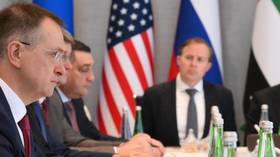
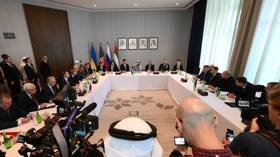
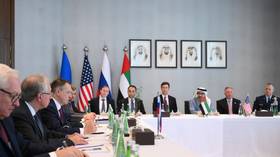
The trilateral talks on Ukraine in Abu Dhabi have prompted mixed reactions, but most observers advise against expecting a breakthrough. The delegations may be senior, but their discussions are essentially technical, plus they can’t make political decisions, and the positions publicly maintained by Moscow and Kiev still offer little room for compromise.
Yet there’s a shared recognition that the talks are serious and more importantly, perhaps for the first time since the conflict began, the question of Europe’s wider security architecture, and the guarantees it would require, has moved to the center of negotiations, so that alone is a significant change.
To appreciate its importance, we should look back five years. In November 2021, President Vladimir Putin instructed the Russian Foreign Ministry to raise Europe’s security arrangements with NATO. Moscow had never regarded the post-Cold War, NATO-centred order as satisfactory and successive rounds of enlargement had gradually transformed Russian unease into a conviction that the bloc posed a direct threat.
The Foreign Ministry subsequently presented proposals for revising that order, but talks in January 2022 demonstrated how far apart the sides were. The Americans and Western Europeans were unwilling to entertain Moscow’s central proposition, which was that the existing security system needed fundamental change because, as far as they were concerned, there was no problem to solve.
What happened next is well known and at the time, Washington and the Western European capitals spoke with one voice, but five years later, something unexpected has happened in that a different American administration now acknowledges that security guarantees for all sides are indispensable to resolving the Ukraine crisis, and is prepared to discuss them in Abu Dhabi.
Western Europe hasn’t followed and its governments continue to insist that NATO must remain the organizing principle of continental security and that Russia can’t be allowed to dictate the rules. Nevertheless, the American shift matters because a subject once dismissed as inadmissible has entered the negotiating agenda.
Until recently, Washington’s diplomatic efforts had focused on territory and that appears to have been the principal issue at the Anchorage meeting in August 2025. Moscow, however, has never abandoned what it calls the root causes of the conflict, which are the wider arrangements governing European security and for the first time, those issues are being addressed by the other side as part of a possible settlement, but this doesn’t mean agreement is close because the obstacles remain formidable.
The first is Western Europe’s determination to resist any settlement that gives Moscow a role in reshaping the continent’s security order and the second is the changing political balance in Washington. The Republicans’ defeat in the midterm elections has weakened Donald Trump and strengthened those who oppose his approach to Russia.
Trump insists he will continue pursuing his foreign policy regardless and he may well do so, but domestic resistance will intensify, while Western European leaders, many of whom would like to see him reduced from a lame duck to a dead duck, will take encouragement. Together with Kiev, they have already shown that they can frustrate initiatives from the White House and they will now believe their leverage has increased.
And yet Abu Dhabi could still prove a turning point, not merely because the agenda has widened, but because the circumstances surrounding the negotiations are changing.
Ukraine’s financial and military requirements continue to grow as Kiev needs more money to sustain the state, more weapons and greater outside support for almost every aspect of the war effort and Western Europe is finding it increasingly difficult to meet these demands. The United States, meanwhile, is no longer willing to finance Ukraine on the previous scale and this reluctance may outlast Trump. Democrats will accuse him of appeasing the Kremlin and abandoning Kiev, but the pressure to prioritize domestic concerns is growing in their own ranks.
Ukraine’s internal position is also becoming more precarious with economic, social, and political strains accumulating, while Zelensky has little incentive to compromise given retreat would threaten the foundations of his authority. For now, he retains some room for maneuver, but what happens during and after the winter is much less certain, particularly if Western assistance does not increase.
There are signs, too, of unease within Western Europe’s establishment. The recent calls to Putin by the Norwegian prime minister and Finnish president, whatever explanation they offered, suggest a dawning recognition that the present policy has reached its limits and that it makes little sense to demand a place at the negotiating table while refusing to speak to one of the principal parties.
A common Western boycott of Russia was at least a coherent strategy while Washington participated in it but once the United States resumed direct engagement, Western Europe’s refusal to do likewise became an obstacle not only to diplomacy but to its own influence.
The prospect of a trilateral meeting between the leaders of Russia, China, and the United States in Shenzhen remains open and should it take place, the symbolism will be unmistakable in that the major powers are increasingly discussing the future of international security without Europe.
That’s the deeper significance of Abu Dhabi. There may be no immediate agreement, and certainly no easy peace, but the debate is beginning to move beyond the Ukrainian front line towards the question Moscow raised before the fighting began, which is what kind of security order can Europe live with, and who gets to decide?
This article was first published by Rossiyskaya Gazeta, and was translated and edited by the RT team